It is no surprise that bacteria, viruses, and microbes find comfort residing on surfaces in public toilet facilities. A study was published in Applied and Environmental Microbiology that evaluated the types of microbes found in public restrooms. Can you guess the number of the different kinds of microbes discovered by the researchers? It is not 10, 20, or 50 but a whopping 77,000. The genetic links to that number of viruses and bacteria are mind-blowing. It creates the importance and needs for cleaning the surfaces of public toilet facility. But scientific experiments after surfaces have been cleaned reveal that some microbes still linger.
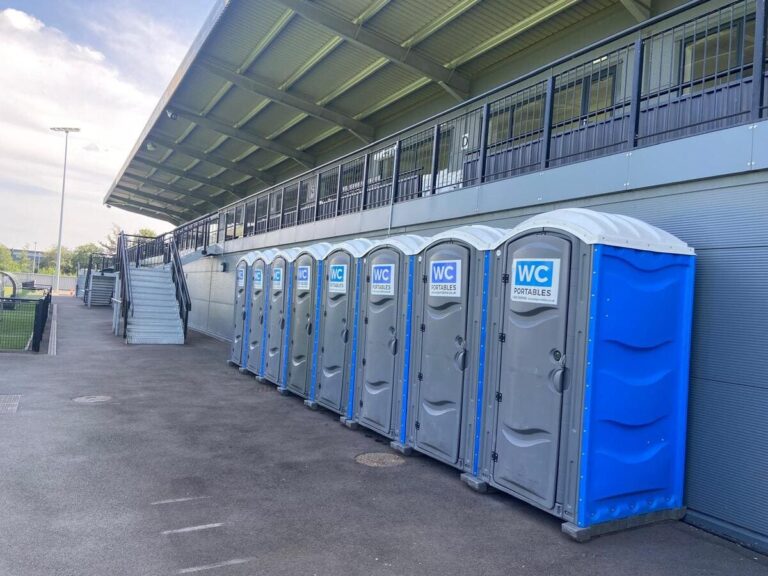
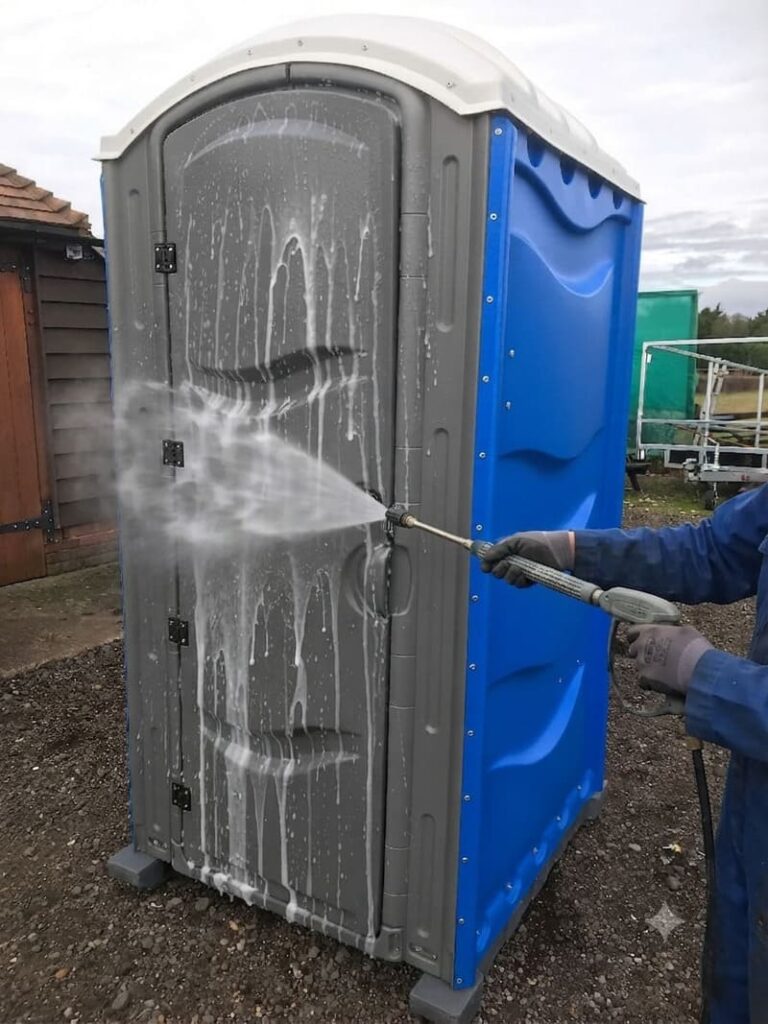
As findings suggest, these toilet surfaces are re-invaded by fecal bacteria and microbes within an hour. That’s a quick cycle or sequence if you ask me. It may sound disheartening, but there is still a need to clean both private and public toilets. Did you know most portable toilets are easy to clean? Why do you think that is the case? Well, most mobile toilets are made from Polyurethane plastic. As a material, it is easy to manufacture, seamless to clean, and repels odours. Why is it a hygiene relief or hygiene breather that portable toilets are easy to clean?
Why it is hygienically relieving that portable toilets are easy to clean.
1) Lesser volume of microbes and bacteria: The buildup of ordour in toilet facilities could also indicate the growing colony of bacteria. Bacteria find it easy to reproduce and mature on damp and moist surfaces. Polyurethane plastic usually does not absorb moisture making them less suitable for microbes and bacteria to infest and brood easily on.
2) Resistant to solvent, corrosion, and oil: The dirt built up in portable toilets could be made up of fecal matter, splashes of soapy water, mineral deposits, and so on. Toilet use is usually exposed to a variety of solvents. For clarity, a solvent is a substance that can dissolve a given solute to form a new solution. Typical solvents include water, methanol, acetone, and ethanol. Portable toilets manufactured in Polyurethane plastic can therefore resist these substances from settling on the surfaces, which ensures they are easier to clean and maintain.
3) Durable against weathering and abrasion: certain surfaces made with different materials can suffer from weathering or being worn due to exposure to the atmosphere, with Polyurethane plastic materials that are not the case, thereby ensuring the ease as to how these are cleaned. Wearing down or running away from toilet surfaces can make cleaning difficult. You have less to worry about with most modern portable toilets.
These are some reasons why portable toilets designed in Polyurethane plastic are a hygiene and cleaning delight.