The hard work behind clean, reliable site facilities
Most people see a portable toilet arrive on site, use it, and never really think about what happens next.
But behind every clean, stocked, fresh-smelling unit is a technician who’s been up since early morning, planning routes, loading equipment, and making sure everything runs like clockwork.
Let’s pull the curtain back a little.
6:30am – Allocation of Jobs and Route Planning
The day usually starts at the yard. Before any engines fire up, there’s a quick run-through of the schedule. Jobs are allocated based on:
- Location and postcode clusters
- Type of service required
- Deliveries and collections due that day
- Emergency call-outs
- Traffic and access considerations
It’s not just about ticking boxes. Planning matters. A poorly planned route wastes fuel, delays customers, and can throw the whole day off balance.
Technicians check their route sheets, confirm any special instructions, and flag potential issues. Is the site gated? Is there restricted access? Has ground condition been mentioned?
A few minutes of prep here can save hours later.
7:00am – Prepping the Vehicle
Before leaving the depot, the vehicle is loaded and checked. That means:
- Fresh water tanks filled
- Waste tanks empty and ready
- Chemicals stocked
- Toilet rolls and consumables loaded
- Cleaning equipment organised
- PPE checked
A portable toilet service vehicle is essentially a mobile cleaning and waste management unit. Everything needs to be in the right place. When you’re on a busy construction site with limited time, you can’t be rummaging around for supplies.
8:00am – First Stops, First Services
On-site servicing is where the real work begins. A standard service typically includes:
- Pumping out waste from the tank
- Refilling with fresh chemical solution
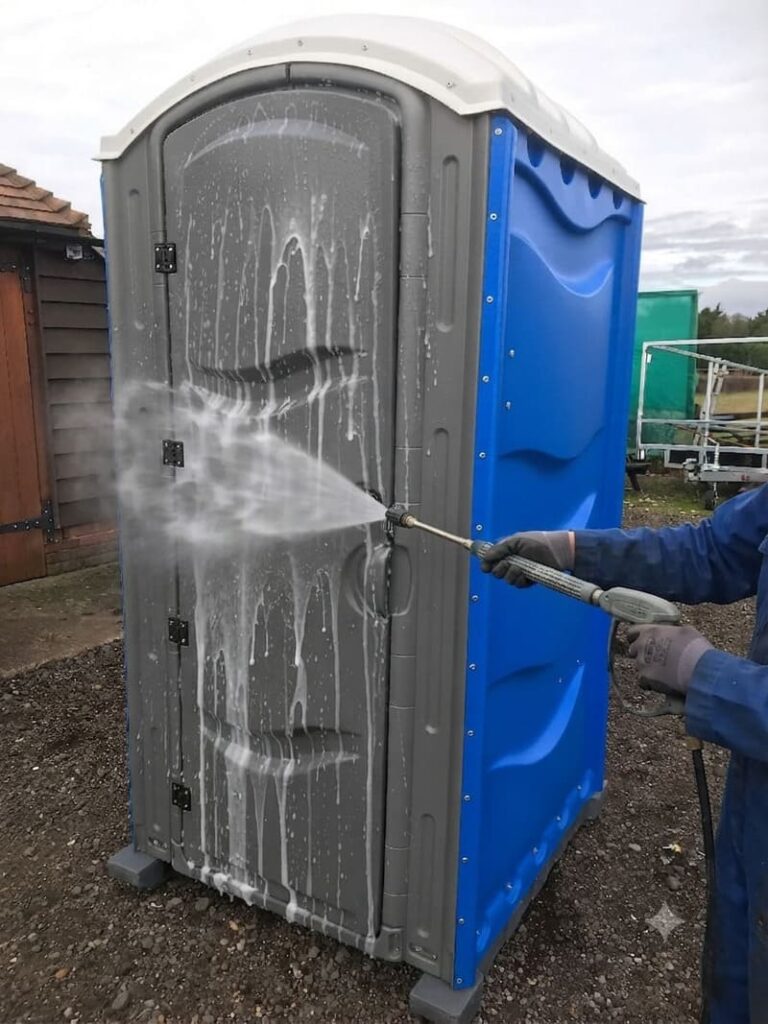
- Deep cleaning internal surfaces
- Wiping down seat, walls, and door handles
- Replacing toilet rolls and sanitiser
- Checking for damage or faults
It’s physical work. Tanks are heavy. Hoses need handling carefully. And it’s done in all weather — rain, frost, blazing summer heat.
There’s no glamour in it. But there’s pride in leaving a unit noticeably cleaner than when you arrived.
Mid-Morning – Deliveries and Installations
Not every stop is a service. Some days involve multiple new deliveries.
Delivery means more than dropping a unit and driving off. It involves:
- Positioning the toilet safely on level ground
- Ensuring clear access for future servicing
- Checking door function and ventilation
- Making sure it complies with site layout requirements
- Confirming placement with the site manager
On construction sites, units need to be positioned close enough for workers but not obstructing machinery or walkways. It’s a balancing act.
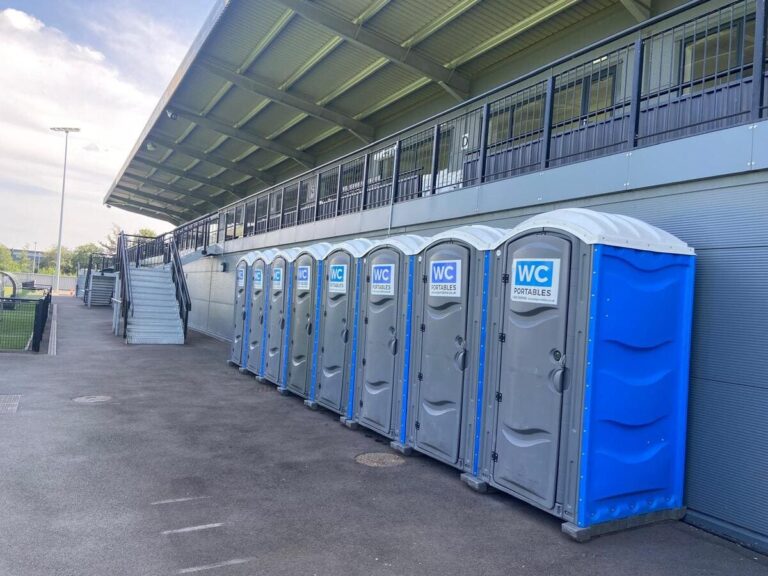
For events, appearance matters too. Units must look clean, aligned, and professional.
The Unexpected Moments
No two days are identical. A technician might deal with:
- A blocked unit needing urgent attention
- Vandalism or damage repair
- A last-minute request for additional toilets
- Difficult site access due to mud or building work
- Changes in schedule because a site finished early
Adaptability is part of the job. You can plan carefully in the morning and still need to adjust by lunchtime.
Afternoon – Collections
When projects end or events finish, toilets are collected. Collection includes:
- Final pump-out and clean
- Inspection for damage
- Safe lifting and loading
- Securing units properly for transport
Units don’t just disappear. They return to the yard where they’re cleaned thoroughly again, checked, and prepped for the next hire.
Every toilet goes through multiple quality checks before being reissued.
Behind the Scenes at the Yard
The working day doesn’t end the moment the vehicle returns. There’s still:
- Disposal of waste at licensed treatment facilities
- Refilling and cleaning tanks
- Equipment maintenance
- Logging completed jobs
- Reporting any site issues or repair needs
Good record-keeping ensures compliance and keeps future servicing organised.
It’s structured. Methodical. Necessary.
It’s More Than Just Cleaning
People often assume portable toilet servicing is just about emptying tanks. In reality, it’s about reliability.
Construction projects depend on functioning welfare facilities. Events rely on hygiene standards. Miss a service or cut corners, and it shows quickly. Technicians play a key role in:
- Keeping sites compliant with regulations
- Supporting workforce wellbeing
- Maintaining hygiene standards
- Protecting the company’s reputation
When everything runs smoothly, no one notices. That’s usually a sign the job’s been done properly.
The Reality of the Role
It’s early starts. It’s heavy lifting. It’s working outdoors in every season.
But it’s also practical, hands-on work with visible results. You arrive to something used and worn. You leave it clean, reset, and ready again.
There’s a quiet satisfaction in that.
Why It Matters
Next time you step into a clean, well-stocked portable toilet on a construction site or at an event, there’s a good chance a technician has been there within the last few days making sure it’s ready for you.
Reliable portable toilet hire doesn’t happen by accident. It happens because skilled people plan carefully, work efficiently, and take pride in what they do.
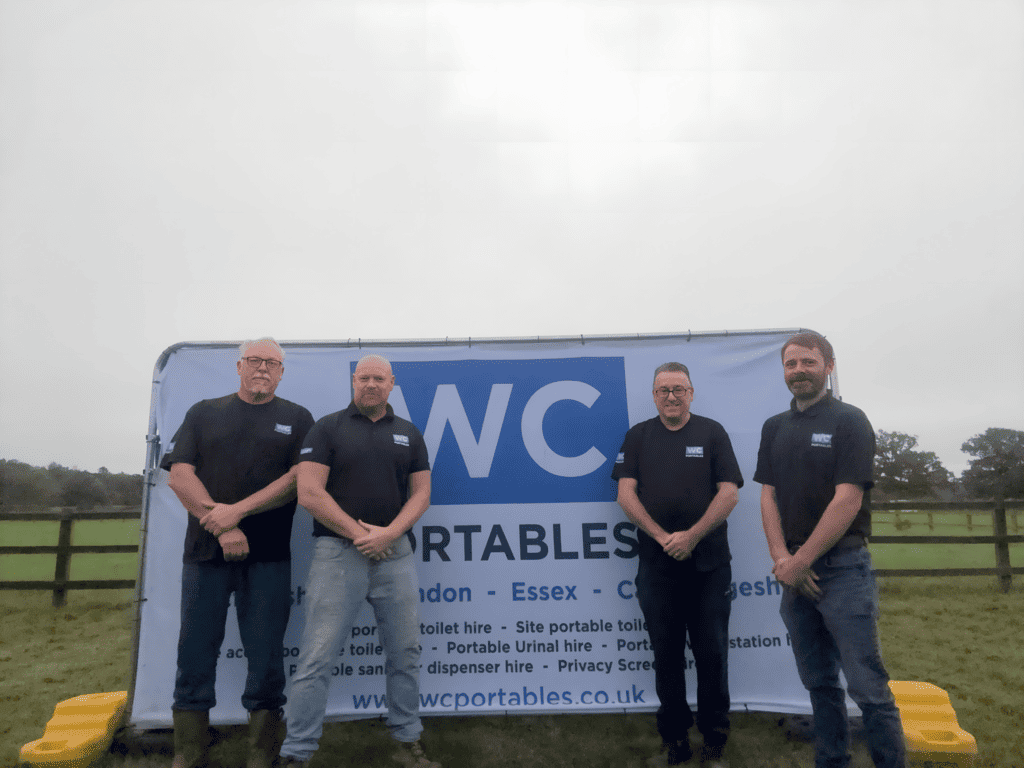
At WC Portables, our service technicians are at the centre of everything we provide. Their hard work ensures every delivery, installation, service, and collection runs smoothly — keeping sites compliant, events comfortable, and customers confident.
And most of the time, they’re already on the road before most people have had their first coffee.