Water is something most of us don’t think twice about. Turn on the tap, flush the toilet, and it’s simply there.
But during periods of dry weather and hosepipe bans, it suddenly becomes much more valuable. The recent UK heatwaves have highlighted just how important it is to use water responsibly, with households and businesses being encouraged to reduce unnecessary consumption wherever possible.
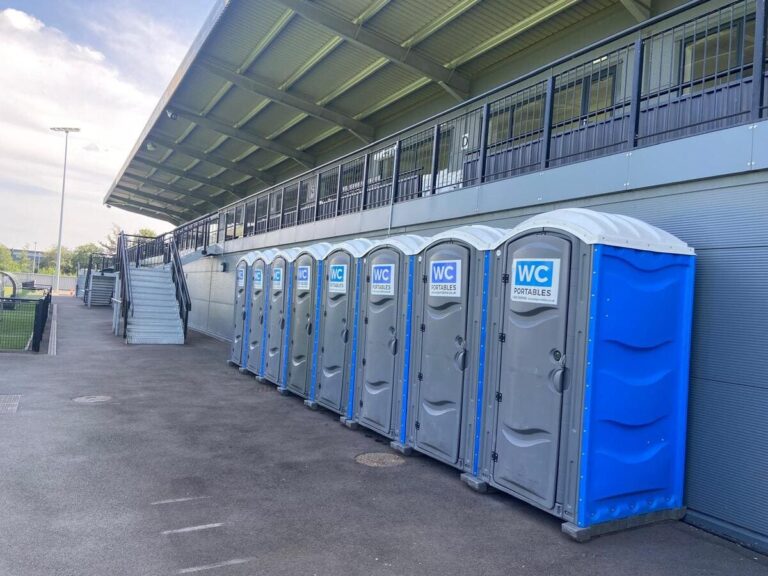
One area that often gets overlooked is sanitation. Traditional toilets use far more water than many people realise, particularly at large outdoor events or busy construction sites. Modern portable toilets, on the other hand, are designed to operate with very little water while still providing safe, hygienic facilities.
Here’s how they help conserve one of our most precious resources.
| Traditional Toilet | Modern Portable Toilet |
|---|---|
| Uses 4–13 litres per flush | No conventional flushing system |
| Requires mains water | Self-contained |
| Needs permanent plumbing | No permanent infrastructure |
| Higher overall water consumption | Much lower water consumption |
| Fixed location | Can be positioned almost anywhere |
A Traditional Toilet Uses More Water Than You Might Think
Every time a conventional toilet is flushed, clean drinking water is used to carry waste away.
Depending on the age and type of toilet, a single flush can use anywhere between 4 and 13 litres of water. Older toilets tend to sit at the higher end of that scale.
Now imagine that happening hundreds or even thousands of times during a busy event.
For an outdoor festival with 2,000 visitors, water usage from flushing alone can quickly run into tens of thousands of litres over the course of a day.
It’s easy to see how those numbers add up.
If you’re unsure how many units you’ll need, our guide on how many portable toilets you need for your event explains how to estimate the right number.
Modern Portable Toilets Work Differently
Portable toilets don’t rely on a constant supply of mains water.
Instead, they use specially formulated chemicals inside a sealed waste tank to break down waste, control odours and maintain hygiene between servicing visits.
Because there’s no conventional flushing system, every visit avoids the need for several litres of clean drinking water.
It’s a simple design, but an incredibly effective one.
The Water Savings Soon Add Up
Let’s take a simple example.
Imagine a portable toilet being used 200 times during an event.
If those same 200 visits took place using a traditional toilet with a 6-litre flush, that would use around 1,200 litres of clean water.
Multiply that across several toilets over an entire weekend, and the savings become significant.
While the exact figures vary depending on usage, modern portable toilets can help reduce overall water consumption dramatically compared with traditional flushing systems.
Less Infrastructure Is Needed
Another environmental benefit is that portable toilets don’t require permanent plumbing or connection to the mains water network.
That means there’s no need for:
- Extensive pipework
- Permanent drainage systems
- Water supply connections
- Excavation for underground services
For temporary events, construction sites and outdoor projects, this reduces both installation work and environmental disruption.
Once the hire period ends, the units are simply removed without leaving permanent infrastructure behind.
Waste Is Managed Responsibly
Some people assume portable toilets are less environmentally friendly because waste is stored inside the unit.
In reality, the opposite is often true.
Waste collected during servicing is transported to licensed treatment facilities where it’s processed safely and in accordance with environmental regulations.
This controlled approach helps ensure waste is handled responsibly rather than relying on temporary drainage solutions that may not always be suitable for remote locations.
They’re Ideal During Dry Weather
With hotter summers becoming more common across the UK, reducing unnecessary water use is becoming increasingly important.
Portable toilets are particularly well suited to:
- Summer festivals
- Outdoor concerts
- Sporting events
- Agricultural shows
- Construction sites
- Home renovation projects
In locations where mains water is limited or where conserving water is a priority, they provide a practical solution without compromising on hygiene.
Modern Doesn’t Mean Less Hygienic
One of the biggest misconceptions is that using less water somehow means lower hygiene standards.
That’s simply not the case.
Modern portable toilets are designed with hygiene in mind.
Regular servicing includes:
- Emptying the waste tank
- Replacing the chemical solution
- Thorough cleaning and disinfecting
- Restocking toilet roll and hand sanitiser
- Inspecting the unit to ensure it’s ready for continued use
When maintained properly, portable toilets remain clean, fresh and comfortable throughout their hire period.
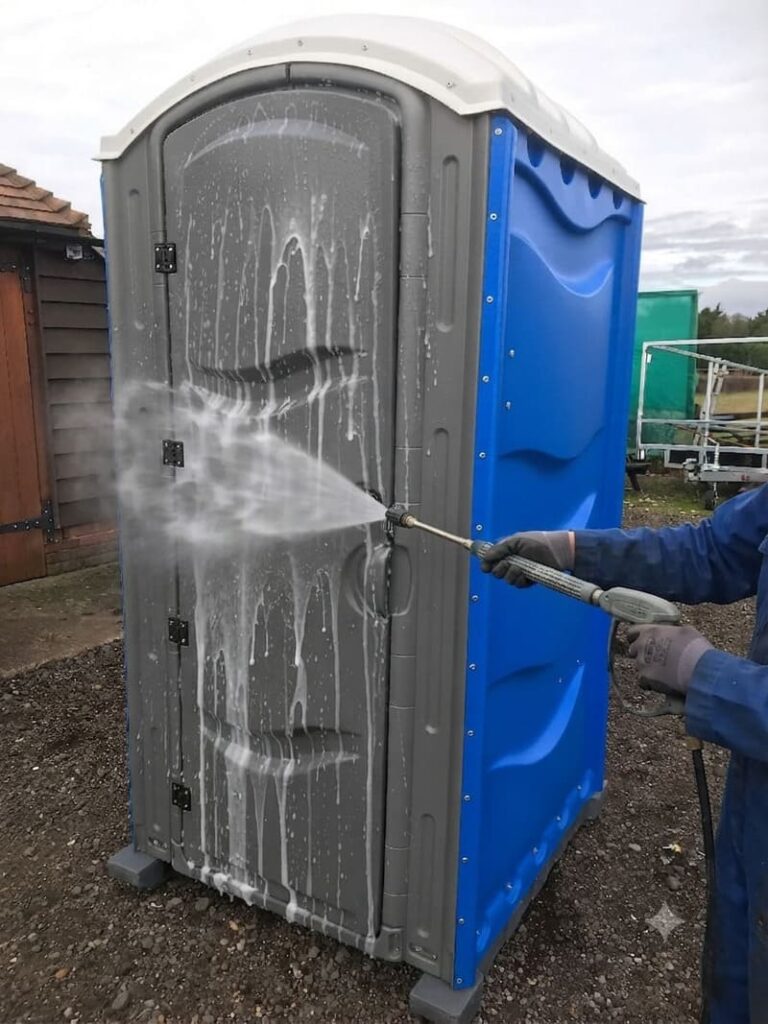
You can read more about how we clean and prepare our portable toilets before every hire.
Small Changes Make a Big Difference
Most of us can make small changes at home to reduce water usage, whether that’s taking shorter showers or turning off the tap while brushing our teeth.
Choosing facilities that naturally use less water is another way of contributing, particularly for larger events where thousands of toilet visits are expected.
No single decision solves water shortages on its own, but lots of sensible decisions together can have a meaningful impact.
The Bottom Line
Modern portable toilets offer a practical way to reduce water consumption without sacrificing cleanliness or convenience.
By removing the need for repeated flushing with clean drinking water, they can save thousands of litres over the course of an event or construction project while still providing safe, hygienic facilities for everyone using them.
As the UK continues to experience warmer, drier summers, making more sustainable choices wherever possible becomes increasingly important.
At WC Portables, we’re proud to provide modern portable toilet hire that’s not only reliable and hygienic, but also helps reduce unnecessary water use. Whether you’re organising an outdoor event or managing a construction site, we’ll help you choose facilities that are practical, efficient and ready for the job.