Understanding How Self-Contained Systems Work
If you’ve ever hired a portable toilet for an event or building site, you might have wondered how they actually work. Do they need to be hooked up to water or electricity? How can they flush, clean, and stay hygienic without the usual household connections?
Let’s break down the mystery of the self-contained portable loo and explain exactly how these clever systems keep things running smoothly.
The Simple Answer
No, standard portable toilets don’t need electricity or mains water connections. They’re completely self-contained, which means they’re designed to operate independently without relying on external plumbing or power sources.
This is what makes them so practical for outdoor events, construction sites, and locations where facilities are limited. Everything you need – from flushing systems to hand sanitiser dispensers – is built right into the unit.
How the System Works
A portable toilet may look basic from the outside, but inside it’s an efficient little system designed to manage waste safely and control odours effectively.
Here’s a closer look at the main components and how they work together:
- Freshwater tank – Some units include a small built-in tank filled with clean water used for handwashing or flushing.
- Waste holding tank – This sealed compartment sits beneath the toilet seat, storing waste until it’s collected and safely emptied by professionals.
- Flush mechanism – Instead of being powered by electricity, most portable loos use a simple manual or foot-operated pump to rinse the bowl and move waste into the holding tank.
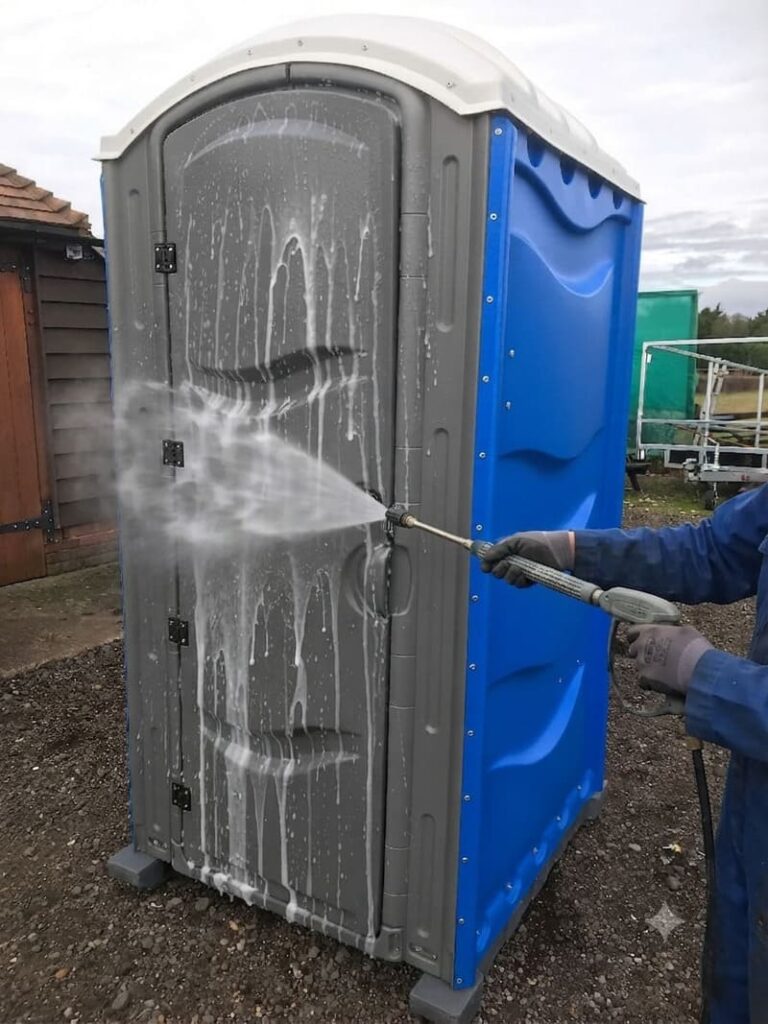
- Chemical solution – A specialist biodegradable chemical helps break down waste and neutralise odours. It also keeps the toilet clean between servicing.
- Ventilation – Built-in vents allow gases to escape, keeping the air fresh inside the unit.
This clever combination means users enjoy a clean, reliable experience without needing water mains, drainage, or electric power.
What About Handwashing?
Depending on the type of portable toilet you hire, you’ll find a few different hygiene setups:
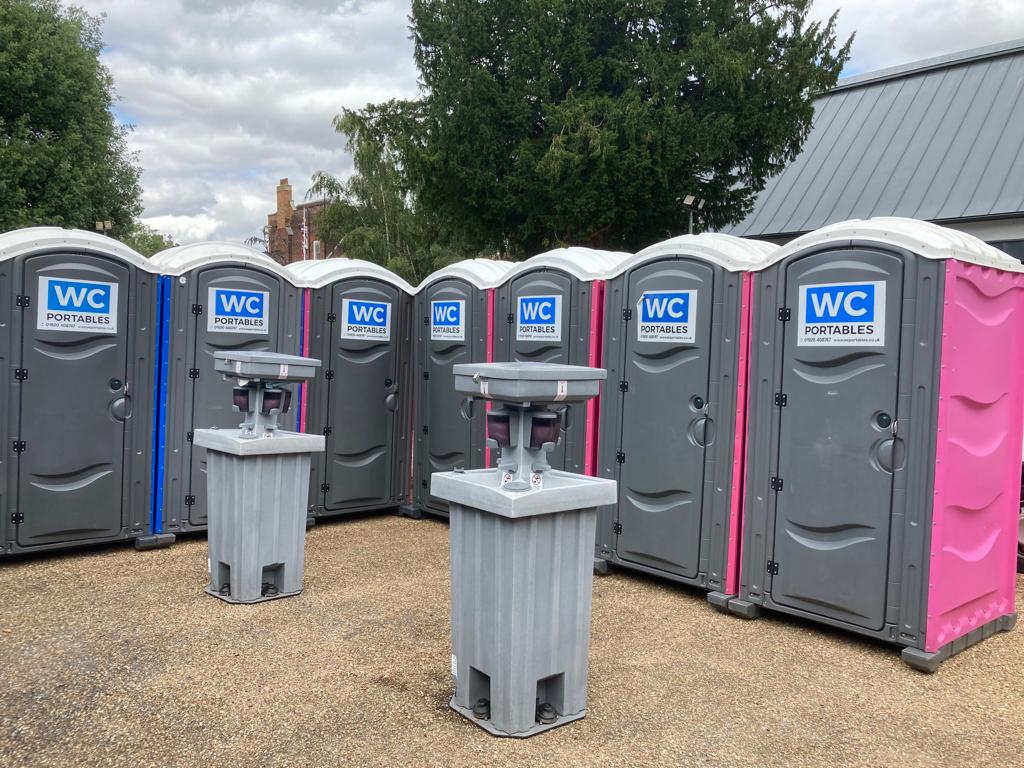
- Standard units often come with hand sanitiser dispensers, perfect for short-term use or sites without water.
- Event units may feature a small sink with a foot-pump tap for running water.
- Luxury trailers and VIP units go one step further with full flushing systems, mirrors, lighting, and even hot water – these models do require power and water connections, usually supplied by the event organiser.
So, while most basic toilets are fully self-contained, the more premium options may need a connection to provide that extra level of comfort.
How Waste Is Managed
Once the tank is full, the waste is professionally emptied using a vacuum tanker. It’s then transported to a licensed waste treatment facility, where it’s processed and disposed of safely in full compliance with UK environmental regulations.
At WC Portables, we handle this entire process for you – from delivery and regular servicing to responsible waste disposal – so you never have to worry about the details.
Ideal for Every Situation
Self-contained portable toilets are ideal for:
- Building sites without running water or electricity
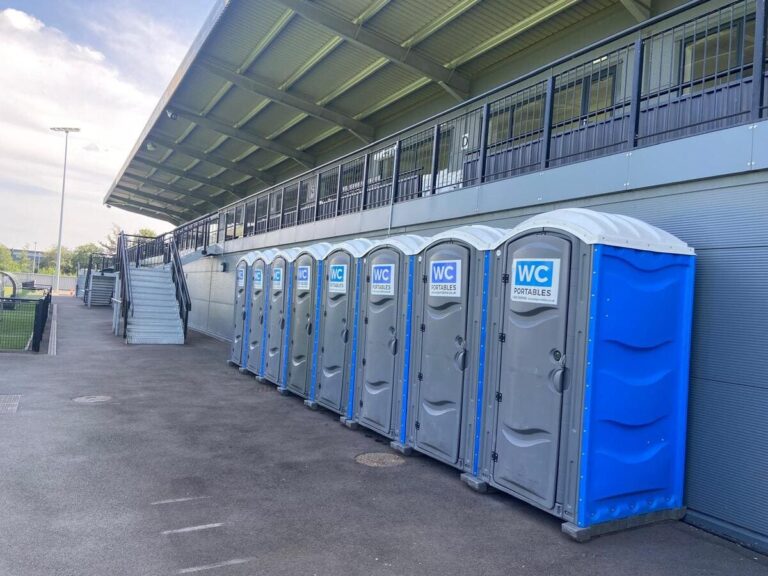
- Festivals, fairs, and outdoor events
- Farmland and rural areas
- Car parks, roadside projects, and temporary setups
Wherever people gather, portable loos offer a simple and effective way to provide essential facilities.
To Sum Up
Portable toilets don’t need electricity or water to function. They’re designed as self-contained units that stay clean, hygienic, and odour-free thanks to clever engineering and eco-friendly chemicals.
If you’re planning an event or managing a site, WC Portables can help you choose the best setup for your needs – from standard units and urinals to disabled-access toilets and luxury event trailers.Get in touch with our friendly team today to discuss your next hire or find out more about our portable toilet hire services.