If you’re working in construction or managing a site, you’ve probably heard grumbles (or done some grumbling yourself) about the state of the site loos. But did you know there are actual legal requirements around access to toilets on construction sites? It’s not just about convenience – it’s about compliance, health, and basic decency.
Let’s break down what the law says, what it means in real-world terms, and how to stay on the right side of the regulations.
What Do the Regulations Say?
In the UK, the rules around toilet access on construction sites come from the Health and Safety Executive (HSE). The key legislation is the Construction (Design and Management) Regulations 2015, often referred to as the CDM Regulations.
Here’s what they boil down to:
- Toilets must be readily available – That means within reasonable distance from where work is taking place. Workers shouldn’t have to trek across half a field to find one.
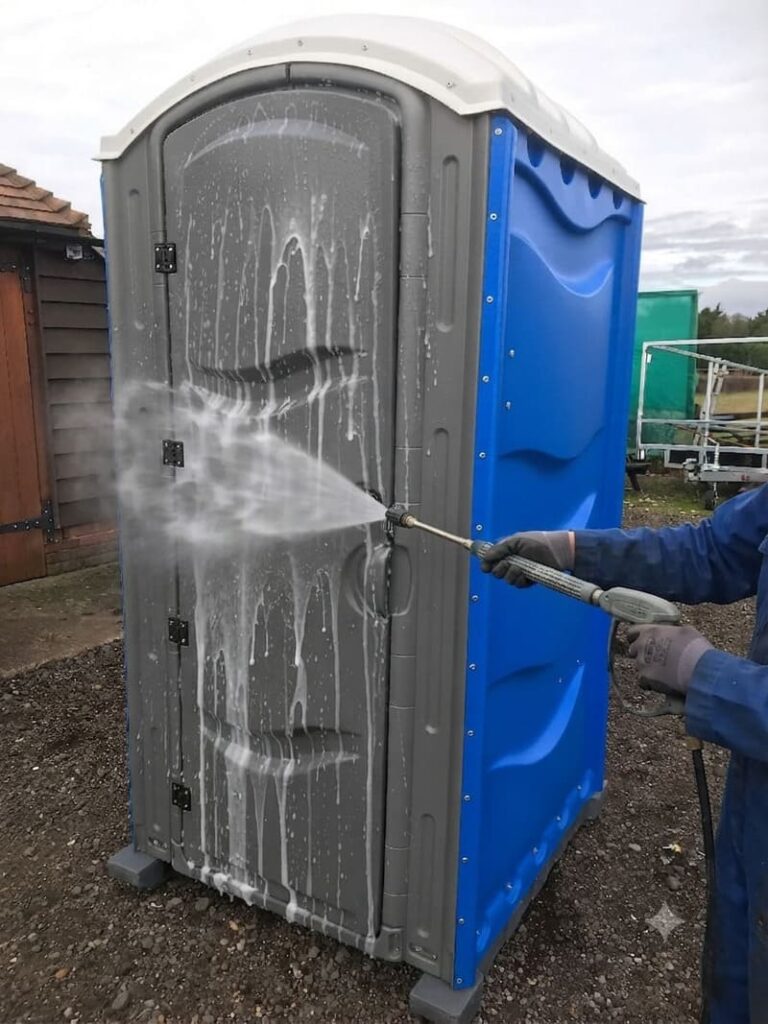
- They must be clean and well-maintained – A broken door, no toilet paper, or overflowing waste isn’t just unpleasant – it’s non-compliant.
- There must be enough toilets – This depends on the size of your team. One toilet for 30 blokes isn’t going to cut it.
- Separate facilities for men and women – Or lockable unisex toilets if providing separate loos isn’t reasonably practicable.
- Handwashing facilities must be provided – With running water, soap, and a way to dry hands.
In short, you’re legally obliged to provide adequate, clean, accessible toilets and washing facilities for anyone working on-site – whether they’re there for a day or six months.
How Many Toilets Are Required?
There isn’t a one-size-fits-all rule, but here’s a basic guide based on HSE’s own recommendations:
- Up to 5 workers – 1 toilet and 1 washbasin
- 6–25 workers – 1 toilet and 1 washbasin
- 26–50 workers – 2 toilets and 2 washbasins
- 51–75 workers – 3 toilets and 3 washbasins
- 76–100 workers – 4 toilets and 4 washbasins
If your site is busy and turnover is high, you might need even more. It’s also worth considering the location and shift patterns – if everyone’s on break at the same time, toilets can quickly become overwhelmed.
What About Remote or Temporary Sites?
Even if your site is temporary or in a remote location, toilet facilities are still a legal requirement. You can’t skip them because you’re in a field miles from anywhere.
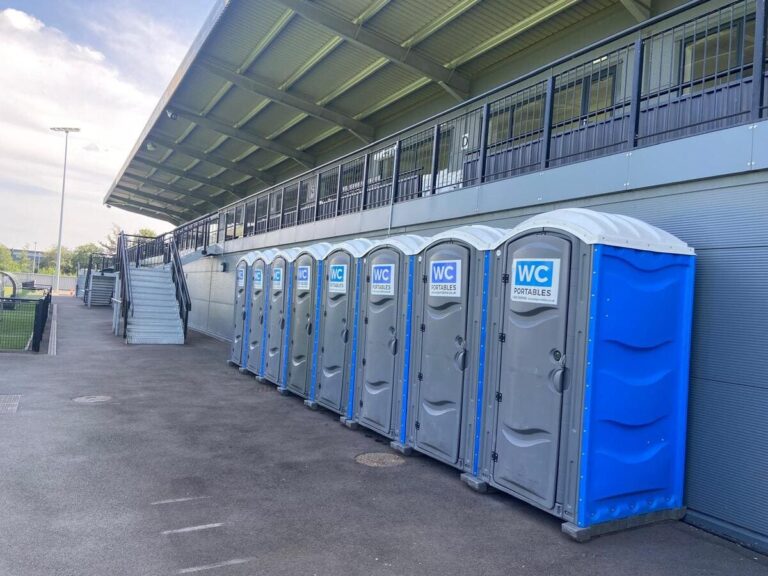
In these cases, portable toilets are the usual solution – and they need to be serviced regularly. According to HSE, that typically means once a week. Any longer and you’re likely to be in breach of health regulations.
Who Is Responsible?
Ultimately, it’s the principal contractor or site manager who’s responsible for providing welfare facilities – including toilets. Subcontractors can request improvements if the facilities are not up to scratch, and workers can report poor conditions to HSE anonymously.
Failing to meet the regulations doesn’t just risk unhappy workers – it can lead to enforcement notices, site shutdowns, and fines.
Practical Tips for Staying Compliant
If you’re in charge of site setup, here are some quick wins:
- Do a headcount – Know how many people are on-site at peak times.
- Plan for access – Place toilets in convenient, safe spots.
- Keep them clean – Hire a reliable supplier that services weekly (or more if needed).
- Add extras – Hand sanitiser, lighting for dark mornings, and proper locks show you care and reduce complaints.
- Inspect regularly – Make it someone’s job to check the loos daily. It’s a small step that makes a big difference.
Don’t Risk It – Get It Right
Toilets might not be the most glamorous part of a construction project, but they are essential. They keep your workers healthy, your site running smoothly, and your business on the right side of the law.
If you’re looking for reliable, high-quality portable toilet hire that ticks every box for site compliance, check out our site toilet hire options. We’ve got years of experience supplying construction sites across Hertfordshire and beyond – keeping things clean, legal, and hassle-free.
Final Thought
If you wouldn’t be happy to use the toilet facilities yourself, it’s a sign something needs fixing. Don’t wait for a visit from HSE to find out the hard way. Good welfare means better morale, safer working conditions, and fewer risks all round.