Legal and courtesy considerations for homeowners
If you’ve got builders working at your home, it’s something that often comes up, sometimes awkwardly, sometimes not at all:
Do I need to let them use my toilet?
Some homeowners are happy to offer it. Others would rather keep their home private. And then there’s the legal side, which isn’t always clear.
Let’s break it down so you know exactly where you stand.
Are You Legally Required to Provide a Toilet?
Short answer — no, not personally.
As a homeowner, you’re not legally required to let builders use your toilet. However, someone does need to provide suitable welfare facilities, and that responsibility usually sits with the builder or contractor, not you.
Under UK regulations (specifically CDM 2015), anyone carrying out construction work must ensure workers have access to:
- Toilets
- Washing facilities
- Drinking water
- Rest areas
So if your builder hasn’t arranged this, technically, they’re the ones falling short, not you.
Can Builders Use Your Toilet Instead?
They can, but only if it’s appropriate and agreed.
Using a homeowner’s toilet can be acceptable for very small or short jobs, but there are a few conditions:
- The facilities must be clean and suitable for regular use
- Workers should have access to handwashing facilities
- It should be agreed in advance, not assumed
If the job runs for more than a few days, or involves multiple workers, relying on your home facilities usually isn’t considered best practice.
When a Portable Toilet Is the Better Option
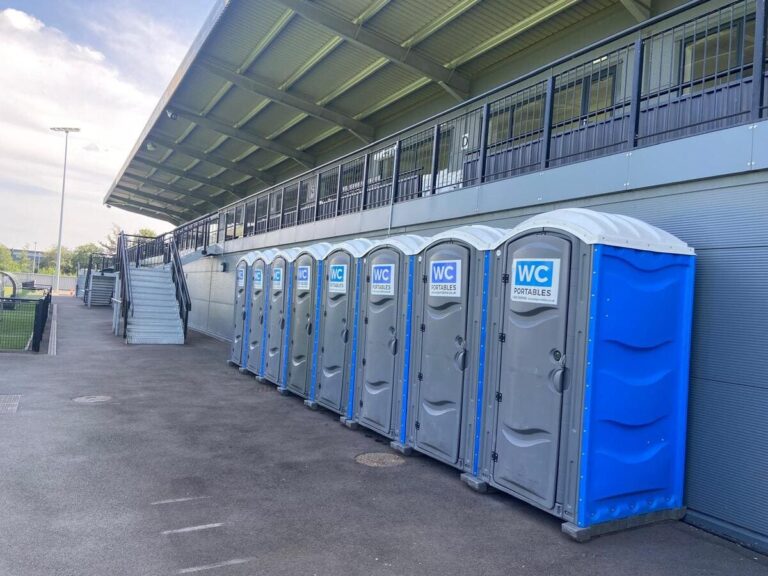
For most projects, especially anything beyond a quick repair, hiring a site portable toilet is the simplest and most professional solution.
It’s particularly worth considering if:
- The project will last more than a few days
- There are multiple tradespeople on site
- You’d prefer to keep your home private
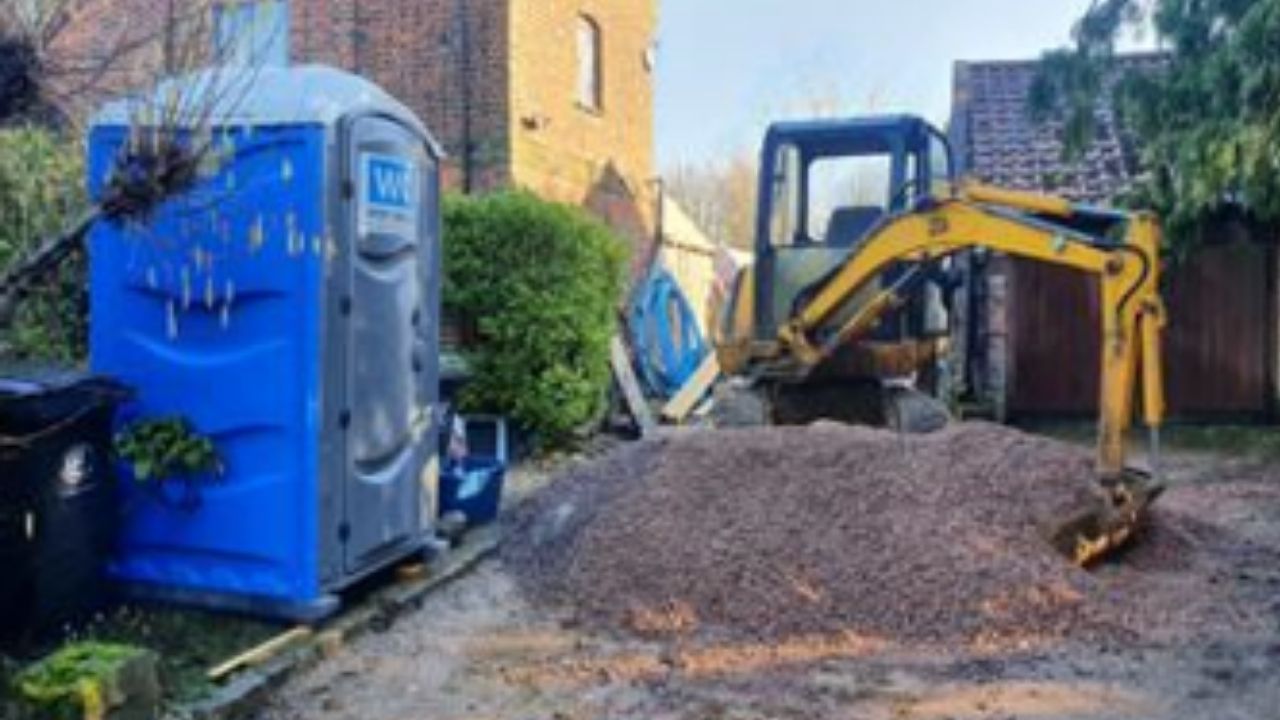
- Work is happening in areas away from the house (e.g. garden builds, extensions)
A portable toilet keeps everything self-contained and avoids any awkwardness or disruption.
The Courtesy Side (This Matters More Than You Think)
Even though you’re not legally required to provide a toilet, there’s still a human side to it.
Builders are on your property, often for long hours, doing physically demanding work. If there are no facilities at all, it can create a difficult working environment.
On the flip side, you’re also entitled to:
- Privacy in your home
- Cleanliness and respect for your space
- Clear boundaries
The best approach is simply to set expectations early. A quick conversation at the start of the project avoids misunderstandings later on.
What Most Homeowners Do
In reality, it usually falls into one of three scenarios:
- Short job (1–2 days) – Homeowners may allow access to their toilet
- Medium project (several days to weeks) – A portable toilet is often arranged
- Larger projects – Welfare facilities are expected as standard
If a builder turns up for a longer job without any plan for welfare facilities, it’s reasonable to question it.
A Practical Middle Ground
If you’re unsure what to do, here’s a simple approach:
- Ask your builder what they’ve planned for welfare facilities
- Decide whether you’re comfortable offering access
- If not, suggest a portable toilet hire as part of the setup
It keeps things clear, fair, and professional from both sides.
The Bottom Line
You don’t have to provide a toilet for builders working at your home, but proper welfare facilities must be available, and that’s usually the contractor’s responsibility.
For anything more than a very short job, a portable toilet is often the easiest solution. It keeps your home private, supports the people doing the work, and helps the project run more smoothly.
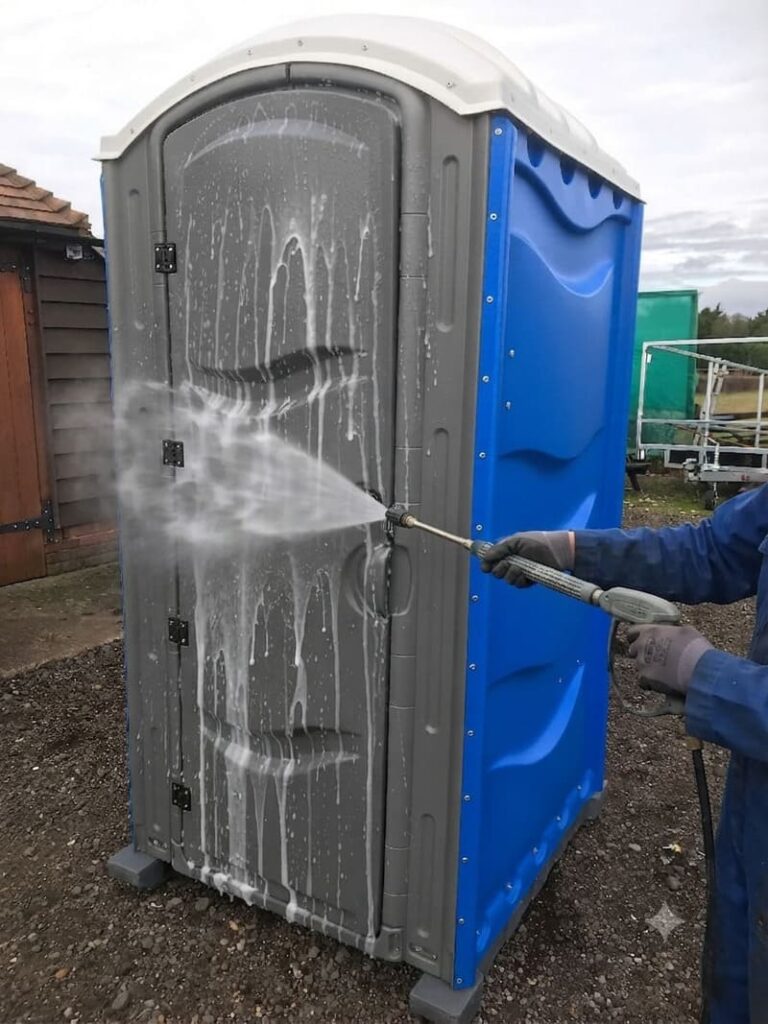
If you’re planning building work and want a simple, hassle-free setup, WC Portables can provide clean, reliable portable toilets for home projects of all sizes, so everyone knows where they stand from day one.